# Silent Efficiency: The Rise of Intelligent Patient Communication Systems
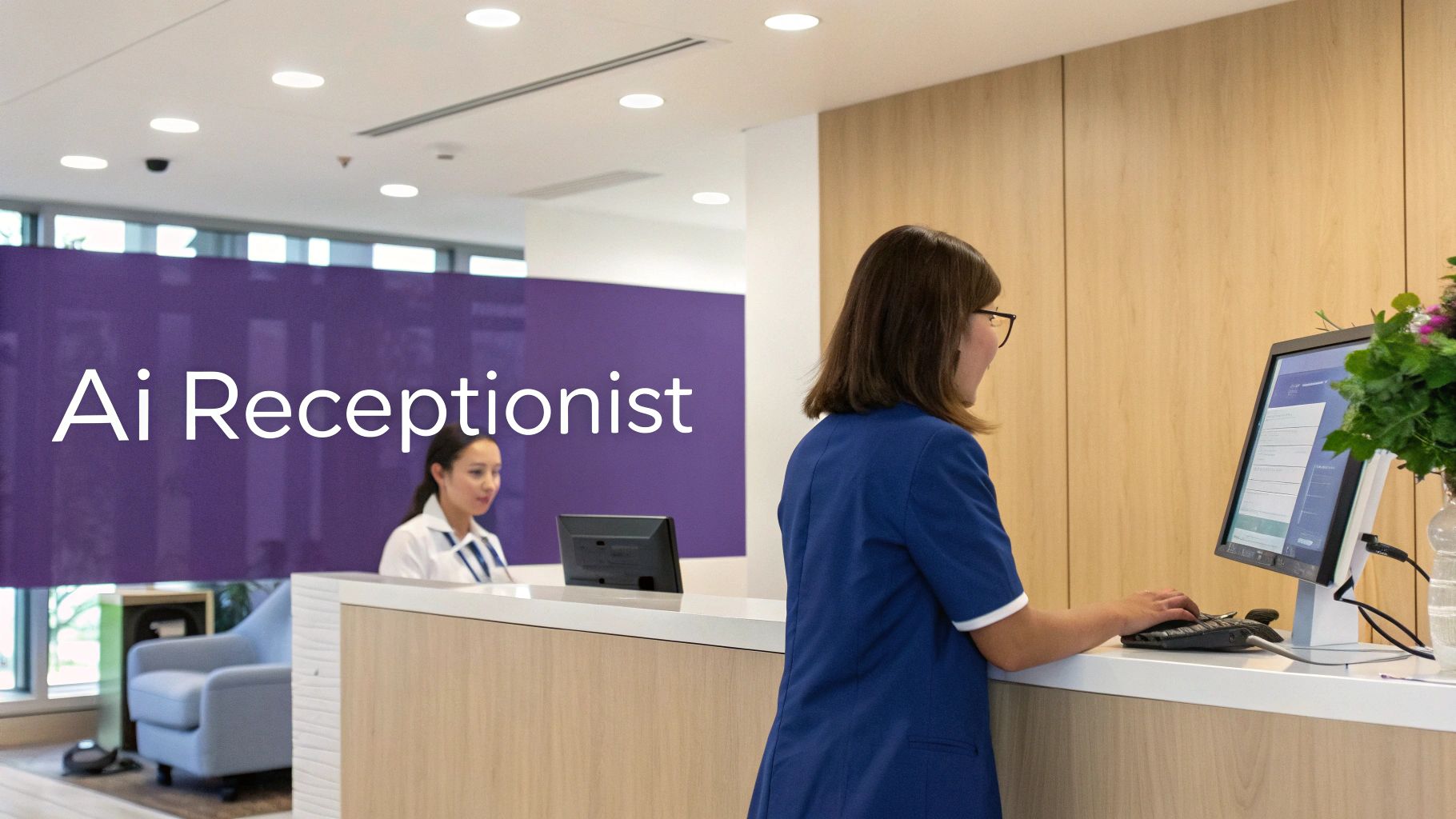
**Rethinking the Frontline of Healthcare**
The healthcare industry is undergoing a profound transformation, and one of the most noticeable changes is happening at the very first point of contact — patient communication. What used to be a busy reception desk filled with ringing phones and paperwork is now evolving into a streamlined, technology-driven system. This shift is helping clinics and medical centers handle growing patient demands without compromising service quality.
**The Challenge of Modern Patient Expectations**
Today’s patients expect quick responses, clear information, and convenient scheduling options. Delays or missed calls can lead to frustration and even lost trust in a provider. Traditional communication methods often struggle to keep up with these expectations, especially during peak hours. Intelligent reception systems solve this problem by offering immediate interaction, ensuring that every inquiry is addressed without unnecessary waiting.
**Automation That Supports, Not Replaces**
There is often a misconception that automation removes the human element from healthcare. In reality, it enhances it. By taking over repetitive tasks such as appointment booking, call routing, and answering frequently asked questions, intelligent systems allow medical staff to dedicate more time to meaningful patient interactions. The integration of solutions like [ai medical receptionist](https://www.autovanceautomation.com/ai-receptionist-for-healthcare/) Autovance shows how technology can complement human expertise rather than replace it.
**Consistency and Accuracy in Every Interaction**
Human error is an inevitable part of manual processes, especially in high-pressure environments. Intelligent reception systems provide a level of consistency that is difficult to achieve otherwise. Every patient receives accurate information, appointments are scheduled correctly, and reminders are sent on time. This reliability builds confidence and reduces the risk of miscommunication.
**Around-the-Clock Accessibility**
Healthcare needs do not follow a strict schedule, and neither should patient support. One of the key advantages of AI-powered reception systems is their 24/7 availability. Patients can interact with the system at any time, whether it is late at night or early in the morning. This constant accessibility ensures that care begins the moment a patient reaches out, not just during office hours.
**Scalability for Growing Healthcare Providers**
As clinics expand and patient volumes increase, maintaining high-quality communication becomes more challenging. Intelligent reception solutions are designed to scale effortlessly, handling thousands of interactions simultaneously without delays. This makes them an ideal choice for both small practices and large healthcare networks looking to grow without overburdening their staff.
**A More Connected Patient Journey**
From the first inquiry to follow-up communication, intelligent systems help create a seamless patient journey. They can send reminders, provide updates, and ensure that patients stay informed at every stage of their care. This continuity not only improves satisfaction but also encourages better adherence to medical recommendations.
The adoption of intelligent reception technology marks a new era in healthcare communication. By combining efficiency, reliability, and personalization, these systems are transforming how providers interact with patients. As the industry continues to evolve, embracing such innovations will be essential for delivering accessible, high-quality care in a rapidly changing world.